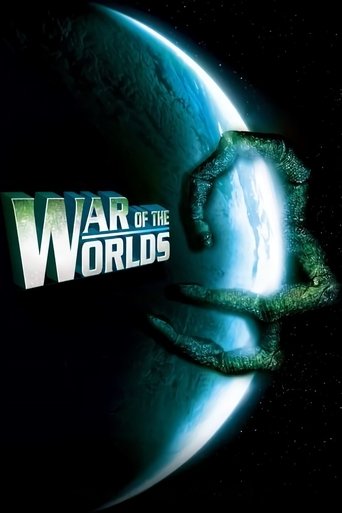

**Score: 8/10 — A Flawed But Fascinating Continuation of a Classic** Bottom line... this story is not too bad. If you're a fan of the 1953 movie, and have ever wondered what happened to all of the crashed alien craft and dead alien bodies, this series explains it all. It's a premise that hooks you immediately: the 1953 invasion was real, the aliens were defeated by Earth's bacteria, but their bodies and technology were recovered, studied, and buried in secret. Now, decades later, the aliens are back—and this time, they've learned from their mistakes. **The Premise: A Clever Continuation** The series picks up thirty-five years after the events of the film. The aliens, it turns out, weren't dead—they were in a state of suspended animation, waiting for the right moment to resume their invasion. When a terrorist attack inadvertently revives them, they escape from their storage facility and begin a new campaign to conquer Earth. Standing in their way is a small team of scientists and military personnel who know the truth about what really happened in 1953. It's a smart way to build on the film's legacy. The series respects the original while carving out its own identity, blending Cold War paranoia, biological horror, and alien invasion tropes into a surprisingly effective package. **What Works: Characters You Care About** The series' greatest strength is its characters. The core team—Dr. Harrison Blackwood (Jared Martin), Dr. Suzanne McCullough (Lynda Mason Green), Norton Drake (Philip Akin), and Colonel Ironhorse (Richard Chaves)—are a genuinely likeable bunch. They're not superhuman; they're scientists and soldiers doing their best against an overwhelming threat. You **genuinely care about the main characters**, and that investment carries you through the weaker episodes. The aliens themselves are a highlight. Rather than mindless monsters, they're a complex society with their own politics, factions, and motivations. The idea that they inhabit human bodies—sometimes willingly, sometimes as punishment—adds a layer of body horror and moral ambiguity that keeps things interesting. **What Doesn't Work: Plot Holes and Cheap Effects** Sure, there's huge plot holes. The aliens' technology and abilities seem to shift depending on what the script needs. The rules of their possession and biology are inconsistent. The show often bites off more than it can chew, introducing big ideas it can't fully explore within a network TV budget. And the special effects? They're nothing to write home about. The alien ships are obvious models, the makeup is rubbery, and the optical effects are dated. But if you can look past the limitations—and if you grew up with 80s genre TV, you're probably used to it—the stories and characters more than compensate. **The Story Arc: Ambitious and Engaging** The story arc across the first season is genuinely compelling, building toward a confrontation that has real stakes. The second season, unfortunately, takes a sharp turn into more fantastical, post-apocalyptic territory that divided fans and ultimately contributed to the show's cancellation. But the first season stands as a solid, self-contained narrative that rewards investment. **The Verdict** *War of the Worlds* (1988) is a flawed but fascinating piece of television. It's a worthy continuation of the 1953 classic, answering questions fans didn't even know they had while delivering a series that, at its best, is genuinely gripping. The characters are memorable, the aliens are compelling, and the story is ambitious. It's not perfect—the effects are dated, the plot holes are plentiful—but it's a show that deserves to be remembered. **Worth a look... if you can find a place to watch it.** It's not readily available on major streaming platforms, which is a shame. But for fans of classic sci-fi, it's a hidden gem worth seeking out. **Watch if:** You loved the 1953 film, enjoy 80s sci-fi TV, or want a clever twist on the alien invasion genre. **Skip if:** You require polished effects, airtight plotting, or can't tolerate the limitations of network television from the era.
0 comments
No comments yet. Be the first to weigh in.